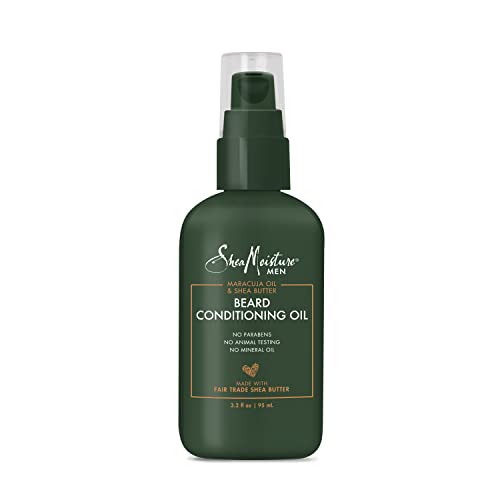
Best Non-Toxic Beard Oil in 2025


As an Amazon Associate, we earn from qualifying purchases. Our use of affiliate links does not influence how we rate products. Learn more about our affiliate policy here.
What we look for:
- Simple formulations using fully natural or safe synthetic ingredients
- No parabens, PEGs, phthalates, harsh sulfates, BHA/BHT, artificial dyes, formaldehyde or formaldehyde releasers, or undisclosed synthetic fragrance (unless certified safe)
- Minimal, necessary preservatives only
- Trusted third-party certifications when available
- Transparent sourcing, ingredients, and manufacturing practices
Common Harmful Chemicals in Beard Oil
Chemical Name
Why it’s harmful
Sodium laureth sulfate, derived from ethoxylated lauryl alcohol, is a surfactant used in sudsy products like toothpaste, detergents, and shampoos. While it acts as a cleansing and emulsifying agent, it can sometimes contain toxic impurities such as 1,4-dioxane. This chemical has raised health concerns due to its potential to cause skin, lung, and eye irritation, organ toxicity, and, primarily because of contamination by 1,4 dioxane, cancer.
The Dirty Dozen: Sodium Laureth Sulfate, 15 Toxic Trespassers, SKIP PRODUCTS MADE WITH SLES (AND SLS, TOO!), Campaign for Safe Costmetics: 1,4-DIOXANE, WHAT IS SODIUM LAURETH SULFATE: CHEMICAL FREE LIVING, A new formula for a mild body cleanser: sodium laureth sulphate supplemented with sodium laureth carboxylate and lauryl glucoside,
Sodium Lauryl Sulfate is recognised as a skin, eye, and respiratory tract irritant according to ICSC. It may cause allergic reactions and eye irritation as stated by the HSDB. Exposure may even result in eye burns, as per CAMEO. Depending on its form - which may range from a solid (90-98% purity), to a paste (30-41%), or an aqueous solution (28-50%) - it can significantly irritate skin and eyes, with adverse effects escalating with increased concentration. Despite these hazards, it is not a skin sensitizer according to CHEMINFO, while eChemPortal: ERMA and MSDSonline endorse its classification as an irritant.
Isopropyl alcohol has been shown to cause narcosis in animals during acute studies, as cited by ACGIH. However, according to research by Zimmerman, it is not hepatotoxic in either experimental animal studies or in human exposures. It's known to be a skin, eye, and respiratory tract irritant, and if inhaled in high concentrations, it can cause CNS depression, as indicated by the ICSC.
Formaldehyde is a colorless, flammable gas with a pungent smell that's naturally produced in small quantities in human bodies and is also known as methanal amongst other names. It's used in the production of various items such as fertilizers, paper, plywood, and urea-formaldehyde resins as well as in some foods and household products like antiseptics, medicines, and cosmetics. Exposure to formaldehyde, which can occur through breathing contaminated indoor air, tobacco smoke, or ambient urban air can lead to respiratory symptoms, irritation of the eyes, nose and throat and has been linked to lung and nasopharyngeal cancer as well as leukemia. The EPA considers formaldehyde a probable human carcinogen (Group B1) and inhaling it can cause bronchospasm and pulmonary edema. Commercially, it's sold as formalin in solutions of 37%, 44%, or 50% and long-term exposure can cause first-degree burns, skin sensitization, squamous cell nasal cancer, and chronic pulmonary obstruction.
Formaldehyde and Cancer Risk, Cleaning Products & Indoor Air Quality, No More Toxic Tub, Campaign for Safe Cosmetics: Preservatives, Campaign for Safe Cosmetics: Formaldehyde And Formaldehyde-Releasing Preservatives, Formaldehyde may be found in cosmetic products even when unlabelled, Formaldehyde Found in Popular American Beauty Products, Hair Salons - Formaldehyde in Your Products, Formaldehyde in cosmetic products
Octamethylcyclotetrasiloxane is a versatile chemical used in extreme temperature silicone oils, foam suppression in lubricating oils, and in various industries like electronics, construction, cosmetics, and more. It is flammable and very toxic to aquatic life, potentially causing long-lasting harm. Additionally, it is classified as toxic for reproduction category 3, but it is not currently regulated in cosmetics and has not been evaluated by the Scientific Committee on Cosmetology.
Phthalates, linked to endocrine disruption, reproductive toxicity, and cancer, are banned in the European Union but remain prevalent in U.S. cosmetics. They are widely used in personal care products, such as nail polish, fragrances, and eyelash glue and other products. A significant loophole allows phthalates to be added to fragrances without disclosure. Health concerns include endocrine disruption, developmental and reproductive toxicity, and potential carcinogenicity.
Campaign for Safe Cosmetics: Phthalates, Product Profile: Hand Sanitizer, Phthalates in Cosmetics, Phthalates in cosmetic and personal care products: concentrations and possible dermal exposure, A Survey of Phthalates and Parabens in Personal Care Products from the United States and Its Implications for Human Exposure, Phthalates Factsheet, BPA and Phthalates: Chemicals found in our homes