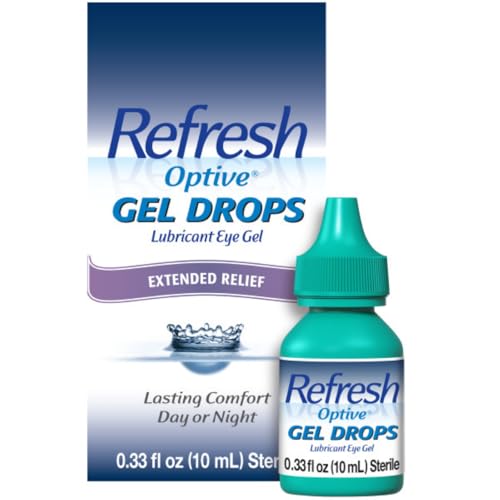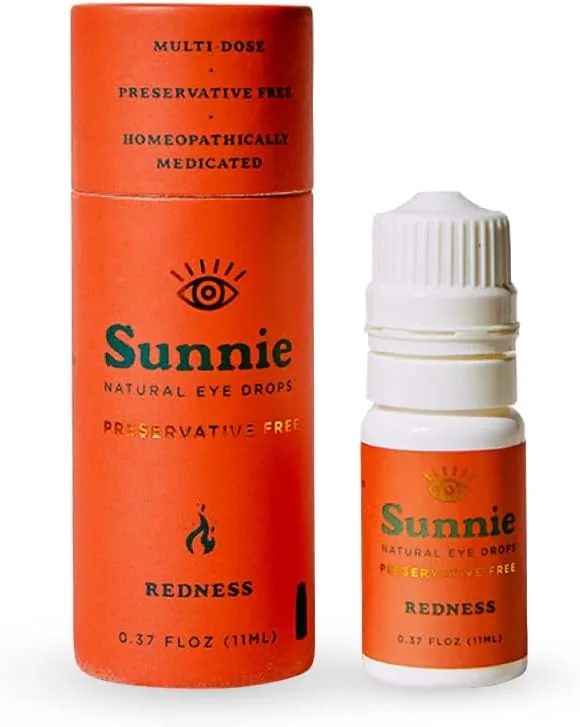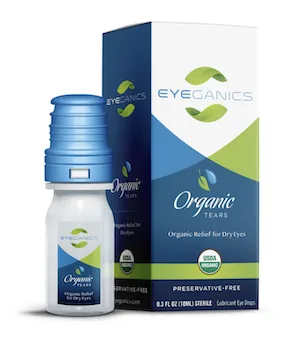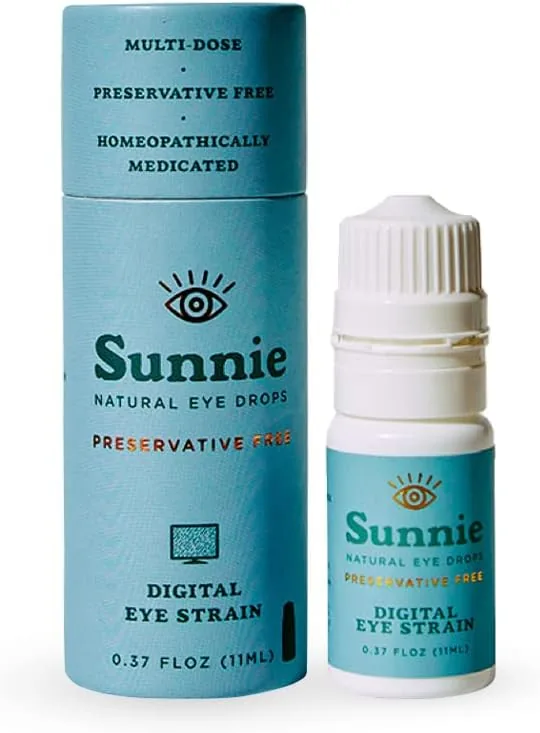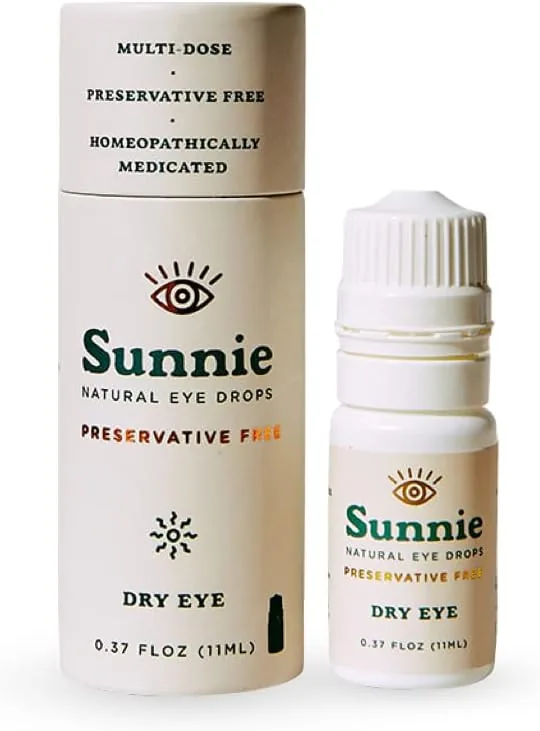
Best Non-Toxic Eye Drops in 2025


As an Amazon Associate, we earn from qualifying purchases. Our use of affiliate links does not influence how we rate products. Learn more about our affiliate policy here.
What we look for:
- Preservative-free or minimal, well studied options like boric acid
- No unnecessary fillers or harsh additives
- Fragrance-free and dye-free, always
- No parabens, phthalates, sulfates, or benzalkonium chloride
- Full transparency with every ingredient listed
Common Harmful Chemicals in Eye Drops
Chemical Name
Why it’s harmful
Benzalkonium chloride, when used as a spermaticide, can cause vaginal irritation. A fatal dose by ingestion is 1-3 grams, with symptoms including vomiting, convulsions, and coma. It is corrosive to eyes, a skin irritant, and can cause allergic contact dermatitis, methemoglobinemia and hemolysis. It has a potential to kill within 1-3 hours if concentrated solutions are ingested. Despite the threat it poses, there are no data on its carcinogenicity or teratogenicity and it doesn't interfere with embryo development in rats.
Cetrimonium Bromide is a versatile substance utilized in various products, including topical anti-bacterial and anti-fungal preparations, cosmetics, hair care, throat lozenges, antiseptic gels, and vaccine production. It serves as a surfactant and emulsifier and typically requires skin contact to cause a rash. Its applications range from skincare and haircare products to throat lozenges and vaccine production.
Polyquaternium, modified polymers through quaternization are known for skin toxicity and allergenicity. Prolonged exposure, especially for hairdressers and janitors, may pose risks. It's found in various products, including hair conditioners, creams, and household cleaning items. Concerns include skin irritation, formaldehyde release, and contact dermatitis. Regulations in the EU limit Quaternium-15 to 0.2% in cosmetics, while the US lacks specific regulations.
Chlorhexidine, in its various forms, is primarily used in disinfectants, cosmetics, and pharmaceutical products in the U.S. Chlorhexidine acetate is acutely toxic when applied to the eye and can cause skin reactions, with some instances resulting in severe reactions such as anaphylactic shock. It can also cause discoloration of teeth and damage to the knees. Occupational exposure can lead to asthma in health care workers. Animal studies have shown ocular irritation in rabbits, and while there are mixed results in bacterial mutagenic studies, no carcinogenic effects were noted in long-term studies.
Sodium borate, a toxic white powder, is used in various products ranging from cleaning agents and personal care items to children's toys for pH adjustment. Commonly known as borax, it's found in cleaners, detergents, air fresheners, diaper creams, and some toys like playdough. Although often considered a "green" component, sodium borate can lead to organ system toxicity, fertility issues, harm to an unborn child, endocrine disruption, skin allergies, eye and respiratory irritation, and damage to the male reproductive system. Canada has imposed restrictions on its use in cosmetics.
Assessment of consumer exposure to boron in cleaning products: a case study of Canada, Watch Out For Borax, Borax: Not the green alternative it's cracked up to be, Antimicrobial agents, triclosan, chloroxylenol, methylisothiazolinone and borax, used in cleaning had genotoxic and histopathologic effects on rainbow trout ,
Ethylene glycol is a synthetic, odorless liquid with a sweet taste and water absorption properties. It is commonly used in antifreeze and de-icing solutions for vehicles, hydraulic brake fluids, and certain inks. Although lethal in large ingested quantities, leading to central nervous system depression, cardiopulmonary effects, and renal damage, exposure to low levels can cause minor throat and upper respiratory tract irritation. Chronic exposure in animals has demonstrated kidney toxicity and liver effects. Despite its potential toxicity, ethylene glycol poisoning is unlikely through skin contact and inhalation at room temperature due to its low volatility, though caution should be taken if the liquid is heated or sprayed.
Benzalkonium chloride (BAC) is an organic salt known for its robust antimicrobial properties, effective against various bacteria, viruses, and fungi. It is frequently employed in healthcare settings like hospitals for disinfecting instruments and surfaces. Additionally, BAC is present in many consumer items, including hand sanitizers, wipes, eye solutions, nasal sprays, and personal care products such as soaps and shampoos. Although typically safe when used as instructed, BAC can lead to skin and eye irritation, particularly at elevated concentrations.
Ecological Risk Analysis for Benzalkonium Chloride, Benzethonium Chloride, and Chloroxylenol in US Disinfecting and Sanitizing Products, Evaluation of pulmonary toxicity of benzalkonium chloride and triethylene glycol mixtures using in vitro and in vivo systems, Quaternary Ammonium Compounds in Cleaning Products, Impact of benzalkonium chloride, benzethonium chloride and chloroxylenol on bacterial antimicrobial resistance, Benzalkonium Chloride, SpecialChem: benzalkonium-chloride, Impact of benzalkonium chloride, benzethonium chloride and chloroxylenol on bacterial antimicrobial resistance
Quaternium-15 is a preservative commonly used in cosmetics which is known to significantly contribute to allergic contact dermatitis in users. This condition has been reported in various professions, including hairdressers, machine maintenance engineers at a chicken processing plant, and photocopy workers. Notably, Quaternium-15, as a formaldehyde releaser, increases dermatitis risk. However, rinse-off products typically pose a lower risk of resulting in allergic contact dermatitis.