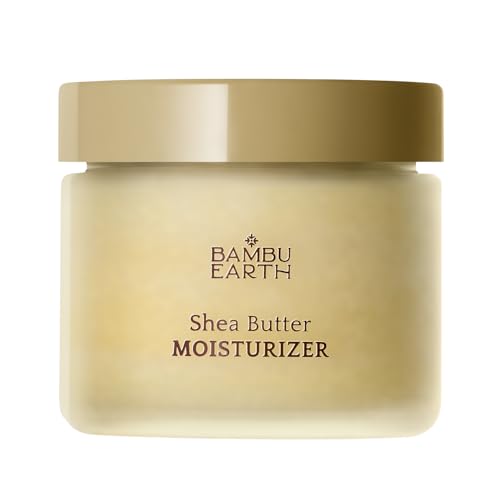


Best Non-Toxic Face Moisturizer in 2025


As an Amazon Associate, we earn from qualifying purchases. Our use of affiliate links does not influence how we rate products. Learn more about our affiliate policy here.
What we look for:
- Simple formulas with fully natural or safe synthetic ingredients
- No parabens, PEGs, phthalates, harsh sulfates, BHA/BHT, artificial dyes, formaldehyde or formaldehyde-releasing ingredients, or undisclosed synthetic fragrance (unless certified safe)
- Minimal, non-irritating preservatives
- EU-compliant brands with third-party certifications when available
- Full transparency around sourcing, ingredients, and manufacturing practices
Common Harmful Chemicals in Face Moisturizer
Chemical Name
Why it’s harmful
Benzalkonium chloride, when used as a spermaticide, can cause vaginal irritation. A fatal dose by ingestion is 1-3 grams, with symptoms including vomiting, convulsions, and coma. It is corrosive to eyes, a skin irritant, and can cause allergic contact dermatitis, methemoglobinemia and hemolysis. It has a potential to kill within 1-3 hours if concentrated solutions are ingested. Despite the threat it poses, there are no data on its carcinogenicity or teratogenicity and it doesn't interfere with embryo development in rats.
Benzophenone (BZP) is a photoinitiator, fragrance enhancer, and ultraviolet stabilizer, used in a variety of industrial applications. Despite not being registered as a pesticide in the U.S., it's involved in the production of insecticides and agricultural chemicals. Its toxic effects on humans are scarcely documented, but it presents little hormonal activity on cell lines. Animal studies show it possesses no estrogenic activity, but it can transform into derivatives with such activity under UV irradiation. It did not show reproductive toxicity or carcinogenicity in rats and mice, respectively, even at high doses. It can be bioactivated through specific enzymes. For aquatic life, fathead minnow larvae were more sensitive to BZP, ranking it in the middle of the toxicity order of six benzene derivatives.
Benzophenone & Related Compounds, Chemical Profile: Benzophenone, Toxicological evaluation of benzophenone, Benzophenone – information sheet, Proposition 65 Warnings: Benzophenone, OEHHA: Benzophenone, FDA Removes 7 Synthetic Flavoring Substances from Food Additives List, Benzophenone-3, a chemical UV-filter in cosmetics: is it really safe for children and pregnant women? ,
Cetrimonium Bromide is a versatile substance utilized in various products, including topical anti-bacterial and anti-fungal preparations, cosmetics, hair care, throat lozenges, antiseptic gels, and vaccine production. It serves as a surfactant and emulsifier and typically requires skin contact to cause a rash. Its applications range from skincare and haircare products to throat lozenges and vaccine production.
Homosalate is a commonly used chemical in sunscreens and SPF-containing skincare products, primarily known for its UV-absorbing properties. However, it is a potential endocrine disruptor, particularly affecting the estrogen, androgen, and progesterone hormone systems. Studies in breast cancer cells indicate increased cell growth and multiplication following homosalate exposure. Moreover, homosalate's presence in human breast milk and its estrogenic activity in placental tissues raise concerns about its impact during vulnerable developmental stages. Additionally, homosalate has been shown to enhance the absorption of pesticides when applied to the skin, emphasizing the need for caution in its use.
Octinoxate, commonly found in various cosmetic and personal care products such as hair color products, sunscreen, lipstick, and skin creams, is an endocrine disruptor that mimics estrogen and can affect thyroid function. It has been detected in human urine, blood, and breast milk, indicating systemic exposure. Octinoxate's potential health concerns include its impact on cell proliferation in response to estrogen exposure, disruptions in thyroid hormones, alterations in reproductive systems, and adverse effects on the development of male and female fetuses, as well as their offspring.
2-Hydroxy-4-methoxybenzophenone (Benzophenone-3; BP-3) is a compound used as a UV absorber and stabilizer in plastics, paints, and sunscreens. Human studies have found photosensitivity to it, while non-human animal studies have found that high concentrations contribute to changes in liver weight and disruptions to reproductive parameters in mice and rats. It is identified as an endocrine-disrupting chemical and can affect the behavior of certain fish species. Despite this, it did not induce gene mutations in tests with the bacterium Salmonella typhimurium.
2-Phenoxyethanol is a hazardous substance toxic by all routes of exposure, and is used widely in products like cosmetics, soaps, and inks, among others. The effects of exposure to this faintly aromatic, colorless, oily liquid can include eye irritation, headaches, tremors, and CNS depression. It's crucial to rinse exposed eyes with tepid water for at least 15 minutes and to wash exposed skin thoroughly with soap and water in case of contact. The substance requires preheating before ignition can occur, and if involved in a fire, gentle water spray can extinguish the fire by inducing frothing.
Phthalates, linked to endocrine disruption, reproductive toxicity, and cancer, are banned in the European Union but remain prevalent in U.S. cosmetics. They are widely used in personal care products, such as nail polish, fragrances, and eyelash glue and other products. A significant loophole allows phthalates to be added to fragrances without disclosure. Health concerns include endocrine disruption, developmental and reproductive toxicity, and potential carcinogenicity.
Campaign for Safe Cosmetics: Phthalates, Product Profile: Hand Sanitizer, Phthalates in Cosmetics, Phthalates in cosmetic and personal care products: concentrations and possible dermal exposure, A Survey of Phthalates and Parabens in Personal Care Products from the United States and Its Implications for Human Exposure, Phthalates Factsheet, BPA and Phthalates: Chemicals found in our homes
Acrylamide is a man-made white crystalline solid primarily used in the production of polymers and copolymers. In humans, it is toxic and irritates the skin and mucous membranes, and can affect the central, peripheral, and autonomic nervous systems leading to symptoms like memory difficulties, confusion, slurred speech, and excessive sweating. It may cause peripheral neuropathy, resulting in loss of sensation and muscle wasting. Recovery after exposure can take months to years. Animal studies indicate acrylamide accumulates in the nervous system, liver, kidney, and male reproductive system, causing degenerative changes. It might disrupt metabolism, induce oxidative stress, cause chromosomal aberrations, and tumor initiation. There is no evidence of teratogenic effects in humans or causing cancer. It has also shown genotoxic effects in some aquatic species like C. Auratus and mussels.
Ethylene is a colorless gas used in various applications, from welding to manufacturing plastics and accelerating fruit ripening. Human exposure to high concentrations can cause memory disturbances, loss of consciousness, and even death by suffocation, as it affects the respiratory center in the brain. Chronic exposure has been associated with sensory and cardiovascular alterations. Animal studies show that prolonged exposure can cause decreased food intake, changes in blood cells, and hypertension, but no substantial changes in behavior, body weight, or organ structure were observed. It is metabolized into carcinogenic and mutagenic ethylene oxide in some species, but no significant increase in micronucleated polychromatic erythrocytes was found in rodents exposed to ethylene.
Ingestion or dermal absorption of the chemical at more than 800-1000 mg/kg/day can lead to central nervous system depression and liver and kidney changes in animals, despite there being no significant developmental toxicity. The chemical acts as an eye irritant; however, it is poorly absorbed through the skin. Unanticipated side effects are unlikely unless there is exposure to mists of heated liquid. Notably, animal feeding studies have shown that the chemical could damage the CNS, liver, kidneys, red blood cells, and the reproductive system.
Polyquaternium, modified polymers through quaternization are known for skin toxicity and allergenicity. Prolonged exposure, especially for hairdressers and janitors, may pose risks. It's found in various products, including hair conditioners, creams, and household cleaning items. Concerns include skin irritation, formaldehyde release, and contact dermatitis. Regulations in the EU limit Quaternium-15 to 0.2% in cosmetics, while the US lacks specific regulations.
Polytetrafluoroethylene (PTFE), commonly found in cosmetics, particularly anti-aging products, is favored for its smooth finish. PTFE is trademarked as Teflon® and is also used in non-stick cookware. However, concerns have arisen due to its fluorinated nature, linking it and similar compounds to delayed menstruation, delayed breast development, and cancer. These ingredients can be found in various cosmetic products like foundation, pressed powder, bronzer, blush, eye shadow, mascara, shave gel, lip balm, and anti-aging lotion.
Oral administration of high doses in adults causes ciricrhosis, hemorrhage, anorexia, jaundice, and dermatitis. The use of this substance is contraindicated in pregnancy at doses larger than the FDA recommend daily allowance. Ingesting 25,000 IU/d over a period of 2-3 weeks may result in toxicity, symptoms of which include liver injury and increased intracranial pressure, leading to blurred vision, headaches, and changes to mental status. The substance is also found to be an irritant and harmful if ingested, with teratogenic effects observed in experimental animals.
Styrene is a colorless to yellowish, oily liquid used mainly in plastic, synthetic rubber, and resin production but also as a flavoring agent. Acute human exposure can cause irritation, drowsiness, and vertigo, with skin blistering and dermatitis resulting from long-term contact. It has been linked to increased rates of certain types of cancer, liver effects, and problems with the reproductive system. Animal studies have similarly shown irritation, central nervous system effects, and links to cancers. Styrene's endocrine disruptor activity appears negligible in humans and other vertebrates, but there is evidence of impact in certain aquatic species.
The study on 1,576 U.S. workers exposed to TiO2 for over a year from 1956 to 1985 showed no increase in lung cancer or chronic respiratory disease, and no cases of pulmonary fibrosis. Cases of pulmonary fibrosis related to TiO2 exposure have been reported, possibly due to silica contamination. There are no listed effects for short-term or long-term exposure. Although NIOSH recognises ultrafine TiO2 as a potential occupational carcinogen, data is insufficient to classify fine TiO2 similarly. Epidemiological studies do not provide clear evidence of lung cancer risks from TiO2 dust exposure.
Benzalkonium chloride (BAC) is an organic salt known for its robust antimicrobial properties, effective against various bacteria, viruses, and fungi. It is frequently employed in healthcare settings like hospitals for disinfecting instruments and surfaces. Additionally, BAC is present in many consumer items, including hand sanitizers, wipes, eye solutions, nasal sprays, and personal care products such as soaps and shampoos. Although typically safe when used as instructed, BAC can lead to skin and eye irritation, particularly at elevated concentrations.
Ecological Risk Analysis for Benzalkonium Chloride, Benzethonium Chloride, and Chloroxylenol in US Disinfecting and Sanitizing Products, Evaluation of pulmonary toxicity of benzalkonium chloride and triethylene glycol mixtures using in vitro and in vivo systems, Quaternary Ammonium Compounds in Cleaning Products, Impact of benzalkonium chloride, benzethonium chloride and chloroxylenol on bacterial antimicrobial resistance, Benzalkonium Chloride, SpecialChem: benzalkonium-chloride, Impact of benzalkonium chloride, benzethonium chloride and chloroxylenol on bacterial antimicrobial resistance
Diethanolamine is a chemical found in various consumer products like shampoos, cosmetics, and pharmaceuticals. Acute exposure in humans can result in irritation of the nose, throat, and skin. However, no detailed data is available on its chronic, reproductive, developmental or carcinogenic effects on humans. Studies on animals reveal that acute oral exposure can influence the liver, blood, kidney, and central nervous system, while dermal exposure has been connected with an increased incidence of liver and kidney tumors in mice. Production of first-degree burns, skin irritation, occupational asthma, kidney, and liver injury risk, and potential skin sensitization are some other adverse effects associated with diethanolamine.
Chemical Safety Facts: Ethanolamines, NTP Toxicology and Carcinogenesis Studies of Diethanolamine, California Environmental Protection Agency: Diethanolamine , International Agency for Research on Cancer: Diethanolamine, Initial List of Hazardous Air Pollutants with Modifications, What is the Toxics Release Inventory?, OPINION CONCERNING DIALKYL- AND DIALKANOLAMINES AND THEIR SALTS IN COSMETIC PRODUCTS, Ethanolamine Compounds (MEA, DEA, TEA And Others), WHAT ARE ETHANOLAMINE COMPOUNDS (DEA, MEA, OR TEA): CHEMICAL FREE LIVING, The Dirty Dozen: DEA-related ingredients, FDA: Diethanolamine, Chemical Profile: Diethanolamine ,
Formaldehyde is a colorless, flammable gas with a pungent smell that's naturally produced in small quantities in human bodies and is also known as methanal amongst other names. It's used in the production of various items such as fertilizers, paper, plywood, and urea-formaldehyde resins as well as in some foods and household products like antiseptics, medicines, and cosmetics. Exposure to formaldehyde, which can occur through breathing contaminated indoor air, tobacco smoke, or ambient urban air can lead to respiratory symptoms, irritation of the eyes, nose and throat and has been linked to lung and nasopharyngeal cancer as well as leukemia. The EPA considers formaldehyde a probable human carcinogen (Group B1) and inhaling it can cause bronchospasm and pulmonary edema. Commercially, it's sold as formalin in solutions of 37%, 44%, or 50% and long-term exposure can cause first-degree burns, skin sensitization, squamous cell nasal cancer, and chronic pulmonary obstruction.
Formaldehyde and Cancer Risk, Cleaning Products & Indoor Air Quality, No More Toxic Tub, Campaign for Safe Cosmetics: Preservatives, Campaign for Safe Cosmetics: Formaldehyde And Formaldehyde-Releasing Preservatives, Formaldehyde may be found in cosmetic products even when unlabelled, Formaldehyde Found in Popular American Beauty Products, Hair Salons - Formaldehyde in Your Products, Formaldehyde in cosmetic products
Quaternium-15 is a preservative commonly used in cosmetics which is known to significantly contribute to allergic contact dermatitis in users. This condition has been reported in various professions, including hairdressers, machine maintenance engineers at a chicken processing plant, and photocopy workers. Notably, Quaternium-15, as a formaldehyde releaser, increases dermatitis risk. However, rinse-off products typically pose a lower risk of resulting in allergic contact dermatitis.
.webp)