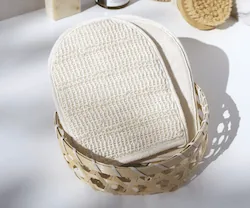


Best Non-Toxic Loofah in 2025


As an Amazon Associate, we earn from qualifying purchases. Our use of affiliate links does not influence how we rate products. Learn more about our affiliate policy here.
What we look for:
- Natural materials like sisal, cotton, and konjac fiber
- Free from synthetics like polyester and other plastics
- No chlorine, artificial dyes, or fragrances
- Products from transparent brands we trust
Common Harmful Chemicals in Loofah
Chemical Name
Why it’s harmful
Bisphenol A (BPA) is a solid used in manufacturing epoxy resins and polycarbonates for food packaging. Human exposure to BPA can cause allergic dermatitis and has been associated with negative effects on fertility, such as declined semen quality, increased sperm DNA damage, and risk of miscarriage. BPA, an endocrine disruptor, also affects oocyte quality during in vitro fertilization. Animal studies indicate that BPA caused eye damage in rabbits, accelerated tumorigenesis in mice, disrupted sex behaviors in rats, and induced obesity in rodents. Ecotoxicity studies show BPA's disruptive effects on sex characteristics in fish and gene expression in Arabidopsis thaliana, suggesting broad environmental implications.
Levels of parabens and bisphenols in personal care products and urinary concentrations in Indian young adult women: Implications for human exposure and health risk assessment, Estimation of intake and uptake of bisphenols and triclosan from personal care products by dermal contact, Exposure determinants of phthalates, parabens, bisphenol A and triclosan in Swedish mothers and their children, BPA and Phthalates: Chemicals found in our homes ,
Vinyl chloride, primarily used in the plastics industry, is a carcinogenic substance linked to liver angiosarcoma and hepatocellular carcinoma. It's been linked to 'vinyl chloride disease', affecting those with long-term occupational exposure, causing bone and neurological conditions, sleep issues, loss of sexual function, and different psychiatric syndromes. Chronic hepatic disorder, categorized as pathologic porphyrinuria, is found in workers suffering from vinyl chloride-induced hepatic injury. Brief exposure to high levels of vinyl chloride has been fatal for rats, guinea pigs, and mice, impairing motor coordination and causing respiratory failure. Other symptoms observed include increased motor activity, twitching of extremities, ataxia, and tremor. Vinyl chloride doesn't cause significant fetal toxicity or teratogenic effects on mice, rats, and rabbits but has shown mutagenic activities on Drosophila melangaster and yeast. It also influenced the regulation of specific genes in Daphnia magna.
Ethylene-vinyl acetate (EVA) is the main material used for making sports mouthguards. However, high levels of EVA exposure can lead to symptoms like fatigue, irritability, disrupted sleep, dizziness, and lightheadedness. There is limited evidence suggesting that vinyl acetate, a component of EVA, may cause cancer in animals, specifically in the thyroid and uterus. Some scientists argue that no level of exposure to a carcinogen can be considered safe.