

Pretty Farm Girl
Vitamin C Serum
Est. Price$29.99
10.0
Performance
Ingredient Safety
Meets the Welpr Standard
Buy Now
on Amazon
Certifications
Free From
Highlights
Cruelty-free
No synthetic fragrance
THD ascorbate
Oil-based
As an Amazon Associate, we earn from qualifying purchases. Affiliate links do not affect our ratings. Learn more.
We vetted vitamin c serums against the Welpr Standard and here are our top picks.

Cofounder & Product Curator

Medical Reviewer, PhD
Here's what we look for:

On Welpr, terms like "non-toxic," "safer," "cleaner," "healthier," and "vetted" are editorial labels based on our own standard for product assessment. They are not guarantees, certifications, or medical claims. Learn more.
Pretty Farm Girl
Meets the Welpr Standard
on Amazon
The 80/20 guide to going non-toxic the easy way.

Cocokind
Meets the Welpr Standard
on Amazon

Typology
Meets the Welpr Standard
on Amazon

Fre
Meets the Welpr Standard
on Amazon

Kora Organics
Meets the Welpr Standard
on Amazon
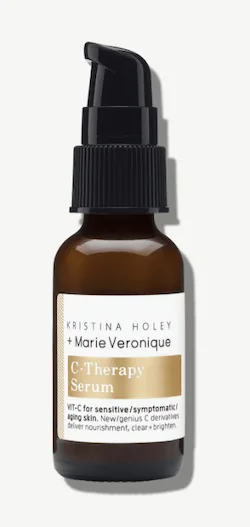
Marie Veronique
Meets the Welpr Standard
on Credo Beauty

Honest Beauty
Meets the Welpr Standard
on Amazon

Typology
Meets the Welpr Standard
on Amazon

Yepoda
Meets the Welpr Standard
on Amazon

Biossance
Meets the Welpr Standard
on Amazon
Here's how to swap to non-toxic vitamin c serums:
Vitamin C serum is a daily skincare product that sits on your skin for hours, making its formulation especially important. Welpr looks at the full ingredient list — not just the active vitamin C — to make sure the base, preservatives, and any added fragrance meet clean standards.
Use the Welpr Personal Care and Cosmetic Scanner to check your current vitamin C serum. It will flag any ingredients that don't meet Welpr's standards.
If you're not ready to replace your serum right away, a small adjustment can reduce how much your skin is exposed. Applying serum to clean, dry skin without layering too many other products on top can help you control what's absorbing.
Look for serums with simple, purposeful ingredient lists. A good vitamin C serum doesn't need a long list of additives — the best formulas focus on effective vitamin C delivery with minimal extras.
Cofounder & Product Curator
Camille May is the co-creator of Welpr and a guide for clean living. After selling her last company in the health food space, she went non-toxic while working to heal an autoimmune condition....
Medical Reviewer, PhD
Olushola M. Awoyemi (aka Shola) is a board-certified toxicologist and a research scientist with a PhD in Environmental Toxicology. Shola's long-term ambition is to be recognized as a world-renowned expert in toxicology,...
