How many sulfate-free shampoos are actually non-toxic?
We analyzed 826 of the most popular shampoos and 531 were sulfate-free. Only 27 of those, around 5%, met the Welpr Standard, compared with 31 of 826 shampoos overall, around 4%.
Assessment analysis| Assessment | Sulfate-free shampoos | All shampoos |
|---|
| Meets the Welpr Standard | 27 (5%) | 31 (4%) |
|---|
| Does not meet the Welpr Standard | 504 (95%) | 795 (96%) |
|---|
Going sulfate-free barely changes the odds of a shampoo meeting the Welpr Standard. It removes a family of cleansers, but it doesn't settle questions about the rest of the formula.
When we say a shampoo is “non-toxic,” we mean it meets the Welpr Standard, our precautionary consumer standard; the shampoo guide explains what that means.
More about this analysis
We reviewed ingredient disclosures published by brands and retailers between July 28, 2026 and October 11, 2026.
We checked each ingredient list for sulfate surfactants. A shampoo belongs in this sulfate-free analysis only when its ingredient list contains none.
These shampoos come from our full shampoo analysis; see the shampoo guide for what it includes and excludes.
Why most sulfate-free shampoos still don't meet the Welpr Standard
Of the 531 sulfate-free shampoos, 504 didn't meet the Welpr Standard. The main reasons were undisclosed blends, almost always fragrance, and potential contamination by 1,4-dioxane. Flagged ingredients were much less common.
Flagged ingredients in sulfate-free shampoo
25 of the 531 sulfate-free shampoos listed at least one ingredient flagged by the Welpr Standard; the table below shows how often each appeared, which organization identified the concern, and why it was flagged.
Flagged ingredient analysis| Flagged ingredient | Found in | Who flagged it |
|---|
| Zinc Pyrithione | 10 of 531 | European Commission · reproductive toxicant |
|---|
| DMDM Hydantoin | 5 of 531 | Washington State Department of Ecology · formaldehyde releaser |
|---|
| Diazolidinyl Urea | 4 of 531 | Washington State Department of Ecology · formaldehyde releaser |
|---|
| Pentasodium Pentetate | 4 of 531 | European Commission · reproductive toxicant |
|---|
| BHA | 1 of 531 | U.S. National Toxicology Program · anticipated carcinogen |
|---|
| HEXANE | 1 of 531 | European Commission |
|---|
| Isoeugenol | 1 of 531 | IARC (WHO) · possible carcinogen |
|---|
| Trifluoroacetyl Tripeptide-2 | 1 of 531 | California State Legislature |
|---|
| 1 other flagged ingredient |
Transparency issues in sulfate-free shampoo
501 of the 531 sulfate-free shampoos had at least one disclosure gap or potential-contaminant flag.
Ingredient or Disclosure Gap | Found in | What the label can't establish |
|---|
Undisclosed blend | 483 of 531 | There's a blend of ingredients on the label, but the actual ingredients in the blend aren't disclosed. |
|---|
Potential contaminant | 409 of 531 | There's an ingredient that could contain a potential contaminant, but we have no way of knowing if the contaminant is there or not. |
|---|
Going sulfate-free doesn't remove the 1,4-dioxane question. The most common carrier of this flag was Polyquaternium-10, a conditioning ingredient. Disodium Laureth Sulfosuccinate also carried it: it's a sulfate-free cleanser, but it's still ethoxylated, like PEGs and polysorbates. See the shampoo guide's 1,4-dioxane entry.
Fragrance remains the most common disclosure gap because removing sulfate cleansers doesn't change how scent ingredients are disclosed. The undisclosed blend entry explains how we handle that gap.
How often “free from” shampoos meet the Standard
Does avoiding another ingredient change the picture? This table compares how often shampoos without each ingredient or ingredient family met the Welpr Standard.
Free from analysis| Free from | Analyzed | Meets the Welpr Standard | Share of our sample |
|---|
| All shampoos | 826 | 31 | 4% |
|---|
| Paraben-free | 808 | 31 | 4% |
|---|
| Silicone-free | 552 | 30 | 5% |
|---|
| Sulfate-free | 531 | 27 | 5% |
|---|
| SLS-free | 684 | 31 | 5% |
|---|
| SLES-free | 610 | 31 | 5% |
|---|
| Fragrance-free | 16 | 7 | 44% |
|---|
Fragrance-free shampoos met the Standard far more often. Undisclosed fragrance is the most common reason shampoos fail, so leaving it out removes a major disclosure gap. See our fragrance-free shampoo guide for those picks.
What does sulfate-free mean?
Sulfates are cleansers that help shampoo lift oil and dirt so they rinse away, while making it lather. In shampoo, “sulfate-free” means made without sulfate surfactants such as sodium lauryl sulfate, sodium laureth sulfate, ammonium lauryl sulfate, and sodium coco-sulfate. The claim has no legal definition for cosmetics, so we read the ingredient list rather than relying on the bottle.
Sulfate-free shampoos use other cleansers instead. Common names include sodium cocoyl isethionate, sodium methyl cocoyl taurate, decyl glucoside, and cocamidopropyl betaine.
The table below shows the sulfates we found on ingredient labels and how many of the 826 shampoos contained each.
Ingredient analysis| Ingredient | Found in |
|---|
| Sodium Laureth Sulfate | 216 of 826 |
|---|
| Sodium Lauryl Sulfate | 142 of 826 |
|---|
| Sodium C12-13 Pareth Sulfate | 22 of 826 |
|---|
| Ammonium Lauryl Sulfate | 14 of 826 |
|---|
| Sodium Coco-Sulfate | 14 of 826 |
|---|
| Ammonium Laureth Sulfate | 9 of 826 |
|---|
| Sodium C12-13 Alketh Sulfate | 5 of 826 |
|---|
| Sodium C10-16 Alkyl Sulfate | 4 of 826 |
|---|
| Sulfated Castor Oil | 1 of 826 |
|---|
Sodium coco-sulfate was the only sulfate in any shampoo that met the Welpr Standard. It appeared in passing shampoos, including the Ethique Scalp Health and Clarifying bars. Those shampoos aren't on this page.
SLS vs. SLES in shampoo
SLS is sodium lauryl sulfate, and SLES is sodium laureth sulfate. Both are sulfate cleansers, but SLES is made through ethoxylation, which can produce 1,4-dioxane as a byproduct.
None of the SLS or SLES shampoos met the Welpr Standard. Every SLES shampoo carried an unresolved potential 1,4-dioxane flag on SLES itself. SLS itself carries no Standard finding; those shampoos failed for other reasons, mostly undisclosed blends and potential 1,4-dioxane from other ingredients. “SLS-free” or “SLES-free” doesn't mean sulfate-free, since a formula can leave out either ingredient and still contain another sulfate cleanser.
Is sulfate-free shampoo better?
Sulfate-free shampoo isn't automatically better, but it can be a useful preference. People with curly, wavy, or dry hair often choose milder cleansing to avoid removing more oil than necessary. People with color-treated hair often want to limit fading from washing, while those with a sensitive scalp often look for gentler cleansers. Sulfate-free alone doesn't tell you how mild a shampoo will be.
Some sulfate-free shampoos produce less lather, though less foam doesn't mean less cleaning. Depending on your scalp and styling products, you may still need an occasional clarifying wash for buildup. Clarifying shampoos can be sulfate-free too.
Sulfates aren't part of the Welpr Standard: a shampoo never fails just for containing one. We treat them as a preference, as the shampoo guide's sulfate surfactant entry explains. Every sulfate-free shampoo listed on this page is also paraben-free.
Best non-toxic, sulfate-free shampoo overall
Our overall pick is the highest-ranked sulfate-free shampoo that met the Welpr Standard.
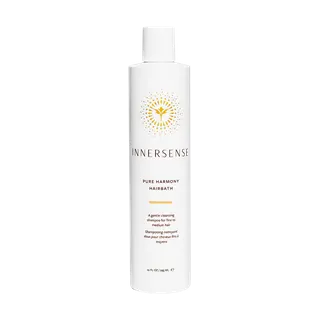
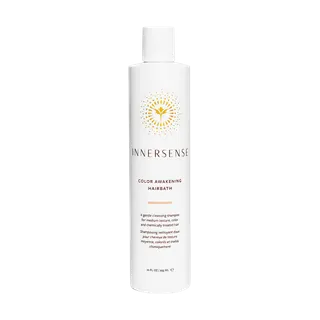
Our pick: Pure Harmony Hairbath - Innersense
A useful choice for dyed hair, it helps maintain color vibrancy through washing. Quinoa and rice extracts help fortify brittle strands and reduce breakage. Some buyers find they need extra moisture afterward, so the finish may not be conditioning enough for everyone.
Choosing the best non-toxic, sulfate-free shampoo for your hair type and need
Here are our picks for non-toxic, sulfate-free shampoo by hair type:
Best for fine hair
Fine hair can fall flat under rich oils, butters, and heavy conditioning ingredients, even in a sulfate-free formula. Look for a lightweight or volumizing shampoo that rinses clean without leaving hair coated.
Our pick: Pure Harmony Hairbath - Innersense
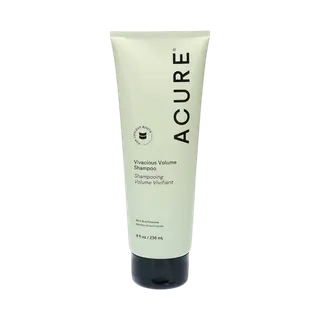
Designed for fine to medium textures, this volumizing shampoo suits hair that needs more body. It doesn't leave hair feeling weighed down when used alongside other hair products. The trade-off is moisture: some buyers find their hair needs more conditioning after washing.
Best for dry hair
Dry hair needs cleansing that leaves some of its natural oil behind. Look for a mild sulfate-free formula with moisturizing ingredients such as glycerin or plant oils, rather than a clarifying shampoo meant to remove heavier buildup.
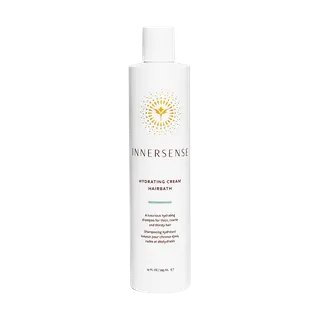
Our pick: Hydrating Cream Hairbath - Innersense
Raw shea butter and monoi oil make this a moisture-focused choice for dry hair, helping smooth its texture. Buyers report that previously dry hair feels soft after washing. Its fragrance combines sage and vanilla.
Best for curly and wavy hair
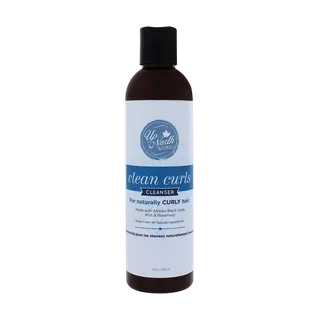
The scalp's oils don't travel down curls as easily as they do down straight strands, so curly hair often needs more moisture, while waves need enough to stay manageable without the weight that can pull them flat. Look for a sulfate-free shampoo with mild cleansers and conditioning ingredients that leave curls and waves manageable rather than stripped. A lightweight formula is a good starting point for waves; richer formulas may suit coarse or dry waves better.
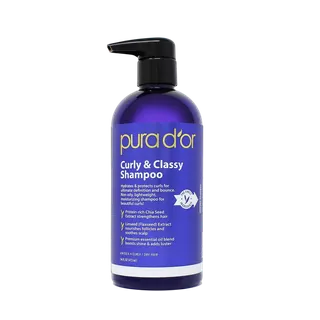
Our pick: Curly & Classy Shampoo - Pura d'or
Curl definition and bounce are the focus here, with buyers reporting more defined curls and less frizz. An aloe-vera base moisturizes the scalp, while argan oil helps tame frizz. The lightweight, non-oily formula builds a rich lather and leaves hair easier to brush or comb. Some buyers reported hair falling out after use.
Best for frizzy hair
Dryness and a raised outer hair layer can make strands more prone to frizz in humid air. Choose a moisturizing sulfate-free shampoo that cleans without leaving hair rough, and follow it with a conditioner.
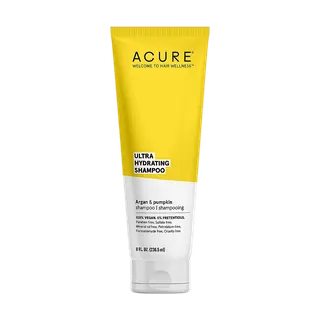
Our pick: Ultra Hydrating Shampoo - Acure
This moisture-focused formula helps hair feel smoother and more manageable, with buyers reporting less visible frizz. Argan oil adds shine, while pumpkin seed oil nourishes strands. The gel has an almond scent that fades once hair dries. Despite its hydrating focus, some buyers find it leaves their hair feeling dry.
Best for men
Choose a sulfate-free shampoo for your hair and scalp rather than the word “men” on the bottle. For short hair with oily roots, a lightweight formula that cleans thoroughly is often a better fit than a rich moisturizing shampoo.
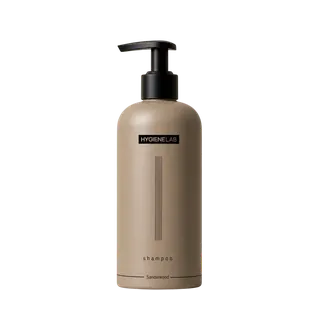
Our pick: Shampoo - HygieneLab
Marketed for men and all hair types, this shampoo removes dirt, excess oil, and daily buildup with a mild, plant-based cleansing base. Aloe vera and plant proteins hydrate hair, while panthenol and glycerin help leave it smooth and manageable. It lathers quickly and rinses clean, and buyers report help with frizz control. Essential oils provide a fresh scent that buyers describe as neither overpowering nor flowery.
Best for oily hair
An oily scalp still needs enough cleansing to remove excess sebum. Look for a clarifying formula and avoid heavy conditioning ingredients if they leave your roots looking greasy.
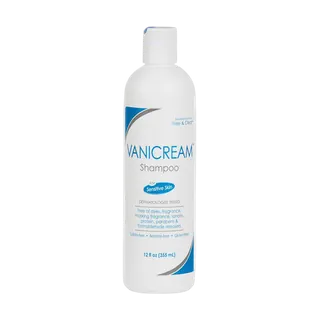
Our pick: Shampoo - Vanicream
Made for oily hair, this clarifying shampoo removes buildup from conditioners, hairsprays, and other styling products. Buyers report a clean feel without greasy residue. The non-medicated formula is pH balanced and marketed as fragrance-free. Some buyers find it leaves their hair very dry or harder to manage afterward.
Best for sensitive scalp
A fragrance-free sulfate-free formula is a useful starting point, especially if you know you react to scent ingredients; the shampoo guide covers fragrance allergens in more detail.
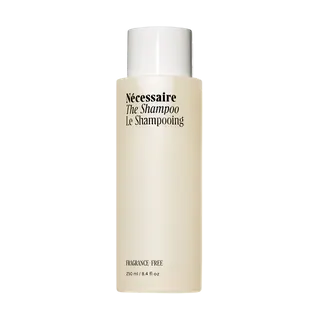
Our pick: The Shampoo - Nécessaire
Formulated for a dry, sensitive scalp, this shampoo uses gentle plant surfactants for a soft cleanse. Hyaluronic acid, vitamins B3 and B5, and ApiScalp support its scalp-focused formula. It is also marketed as fragrance-free and vegan.
Best for locs
Locs need a shampoo that reaches the scalp and rinses out thoroughly without leaving residue. Look for a clean-rinsing sulfate-free formula, and avoid heavy oils or conditioning ingredients if they leave buildup inside your locs.
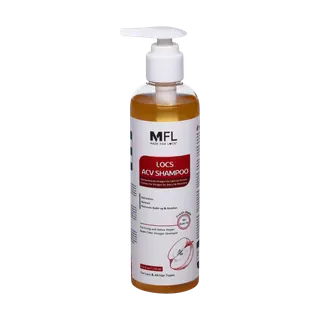
Our pick: Locs Apple Cider Vinegar Shampoo - Made For Locs
Designed for locs from starter stages through mature lengths, this shampoo removes residue, dirt, and oil while maintaining softness. Apple cider vinegar supports its scalp-cleansing and buildup-removal focus. The mild formula also suits color-treated hair. It has a Fresh Apple scent.
Types of non-toxic, sulfate-free shampoo
We cover sulfate-free shampoo bars and liquid shampoo. The format alone doesn't tell you which cleansers a shampoo contains.
Non-toxic, sulfate-free liquid shampoo
Most sulfate-free shampoos are liquid.
Our pick: Pure Harmony Hairbath - Innersense
This liquid shampoo offers a shine-focused finish, with shea butter and organic pumpkin seed oil. Orange and tangerine provide its fragrance. Some buyers find the wash isn't moisturizing enough on its own and want extra conditioning afterward.
Non-toxic, sulfate-free shampoo bars
Soap-based shampoo bars use soap rather than sulfate cleansers. Syndet bars vary: some use sodium cocoyl isethionate, which isn't a sulfate, while others use sodium coco-sulfate, which is.
The cleanser base also changes how a bar behaves on your hair and in hard water. See the shampoo guide's soap-based vs. syndet bar comparison for help choosing between them.
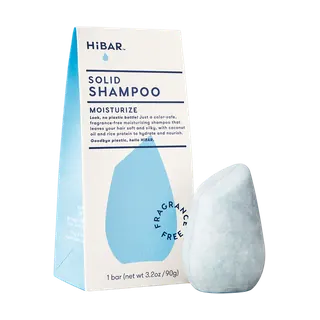
Our pick: Fragrance Free Shampoo - HiBAR
This solid shampoo makes travel packing easier by removing the need to bring liquid shampoo, and it comes without plastic packaging. Vitamin B5, rice protein, and coconut oil support a soft, manageable finish. Buyers report that a bar lasts for months, making longevity another practical benefit. Results vary: some find their hair feels dry after washing, while others are left with an oily feel.